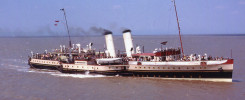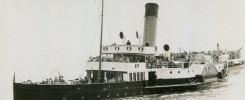
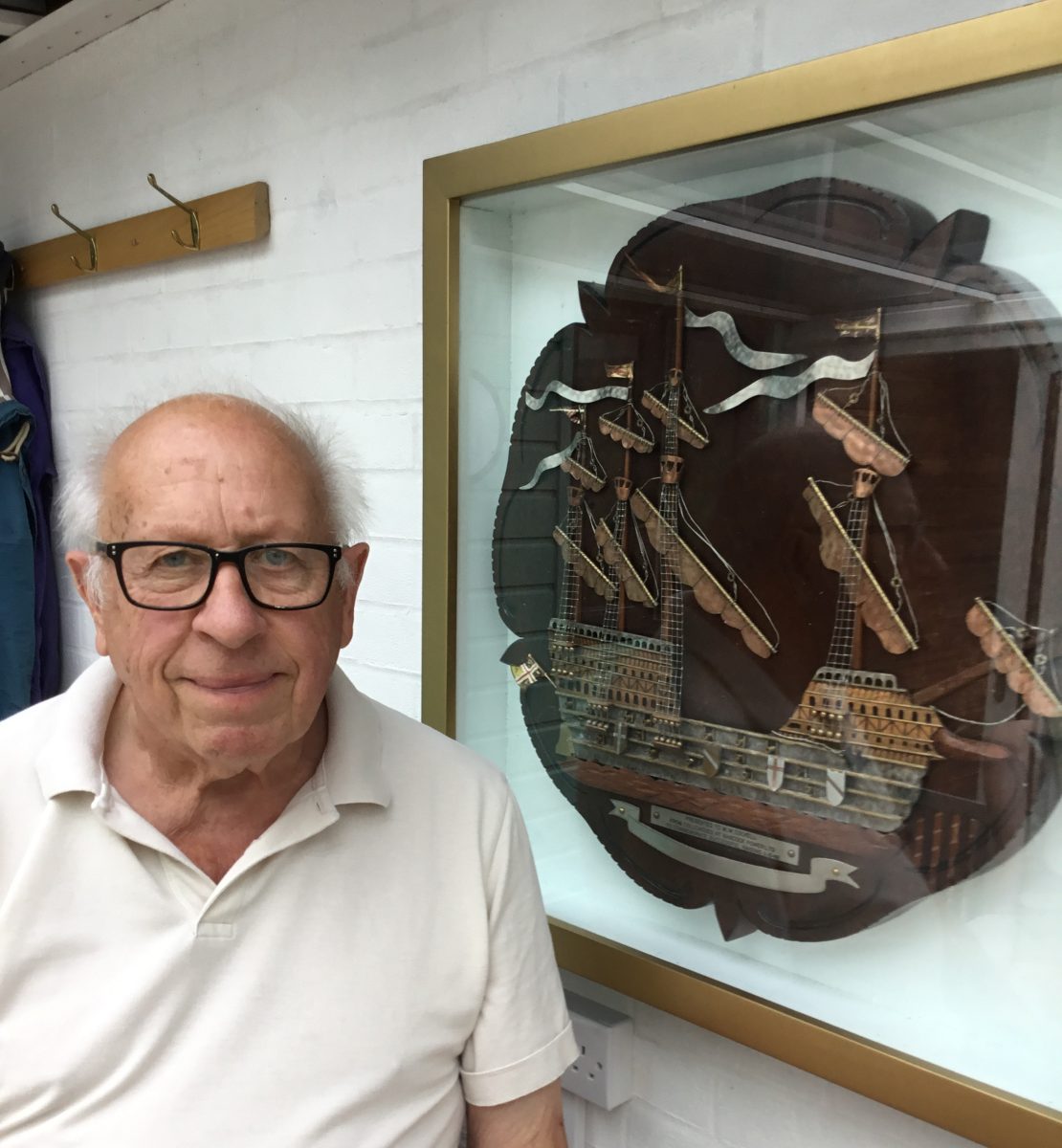
Malcolm Cockell is one of that small number of people who made a real and substantial difference to Kingswear Castle.
After withdrawal from service on the River Dart in 1965 KC was bought by Paddle Steam Navigation in 1967, a company formed by leading lights in the paddle steamer preservation movement. They didn’t know what to do with her so she was chartered to the Riddett brothers at Binfield on the Isle of Wight. They steamed her a couple of times but, lacking any clear plan, essentially neglected her. So on the instigation of Nick Knight, Chairman of PSPS, she was towed to his boatyard at Borstal on the River Medway in 1971.
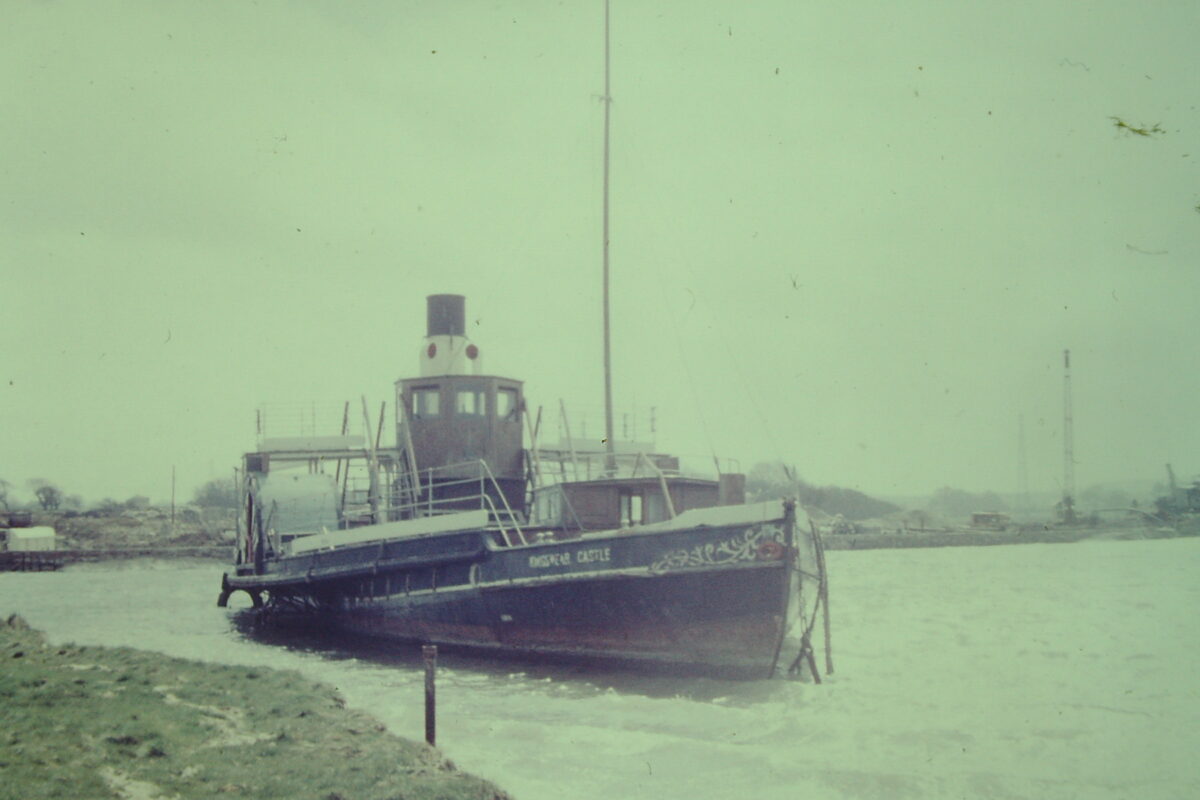
Gradually a group of enthusiasts came together and at weekends started to do work on her. But progress was very slow. Enthusiasm was abundant; professional expertise rather less so. In fairness they did undertake various tasks. They kept detailed logs of who was there and what they did on Saturday afternoons. But years passed with little major structural work undertaken in a ship by then 50 years old; there was no coherent plan; there was no real money; and no pathway to certification. Many people, including Nick Knight, formed the view that this was a project which had stalled.
Then in the late 1970s a welder called Tudor Francis, who was working for Babcock, joined the Saturday sessions. He was taken with the idea of moving work up a notch. He spoke to his boss Malcolm Cockell who was then in charge of building the Isle of Grain Power Station. He was taken with it too. He spoke to his boss at Babcock HQ. He was also supportive and so Babcock started to provide considerable background help in supplying kit, people and know-how. For the first time KC had access to industrial‑grade expertise rather than just weekend enthusiasm.
As a senior manager with Babcock, Malcolm was not only an experienced engineer but also had high end people skills too, bringing the team along with him. As a result, things started to happen and by 1984 KC was in a sufficient state to run trial trips for just 12 passengers.
That is when I came in initially as one of the volunteer skippers in the summer of 1984. I got on well with Malcolm and so the following winter we moved to get KC’s full Passenger Certificates renewed.
There was then the question of where we would run her and by a lucky chance the former Naval Dockyard at Chatham was transitioning into a major tourist attraction. Malcolm and I invited Sir Steuart Pringle, Chairman and Chief Executive of the newly formed Chatham Historic Dockyard, out for a trip on KC in 1984. Malcolm’s seniority at Babcock meant he was used to negotiating at a high level, and that experience proved invaluable when we both subsequently sat down with Sir Steuart in his office to hammer out a deal. Very generously we were offered a mooring at Thunderbolt Pier in the dockyard, a workshop and office facilities, all initially rent‑free.
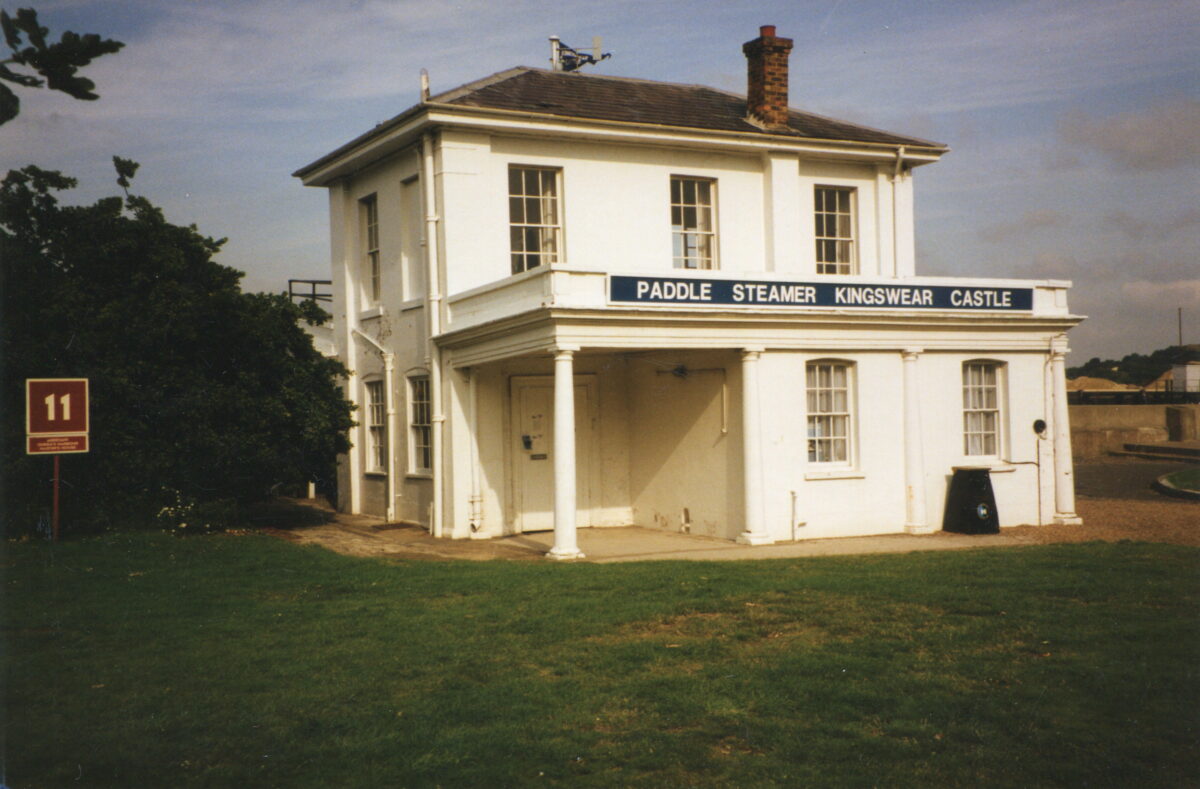
With Malcolm as the first chairman of Kingswear Castle Excursions, the company set up to run her commercially, KC returned to full passenger carrying service based at the Historic Dockyard in 1985.
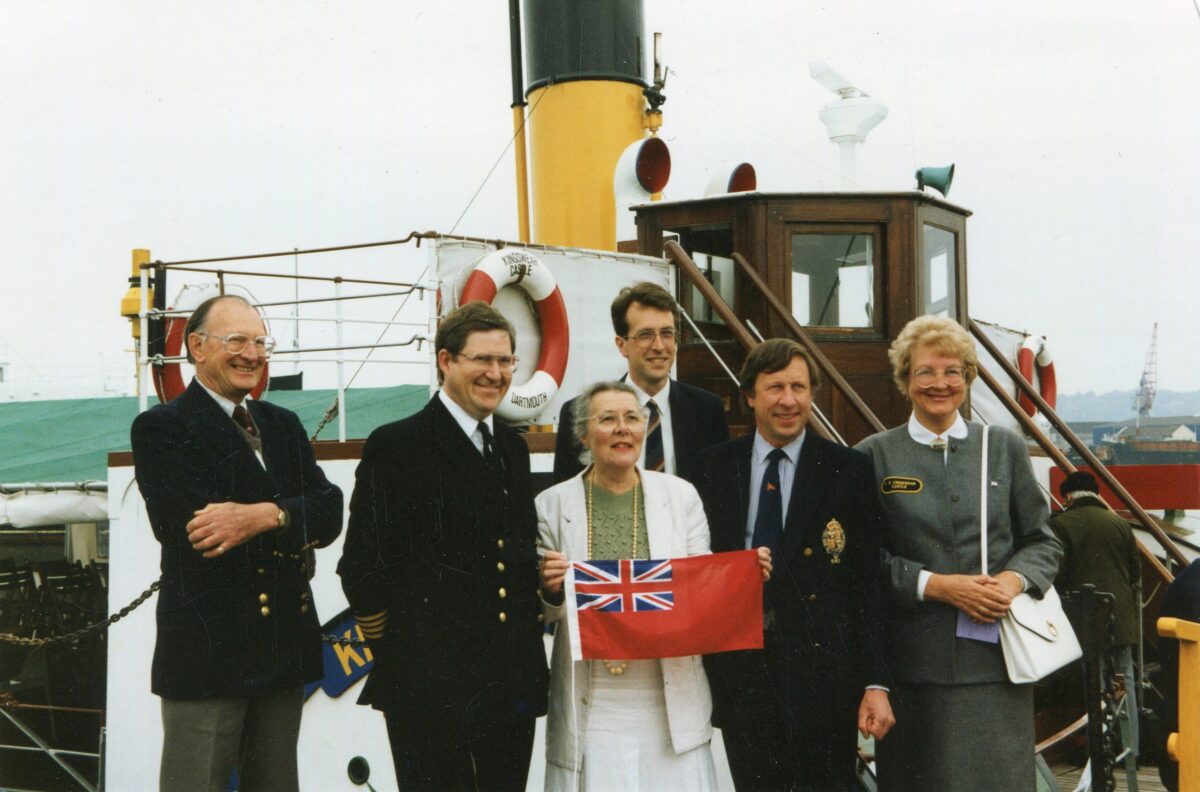
Without Malcolm’s various skill sets, entrepreneurial outlook and drive I don’t believe that this would have ever happened. KC would most likely have continued to languish, as she did for most of the 1970s, as one of those paddle steamer preservation projects filled with lovely people awash with good intentions but low on the knowledge and skill sets of what it takes to deliver a steamer back into service.
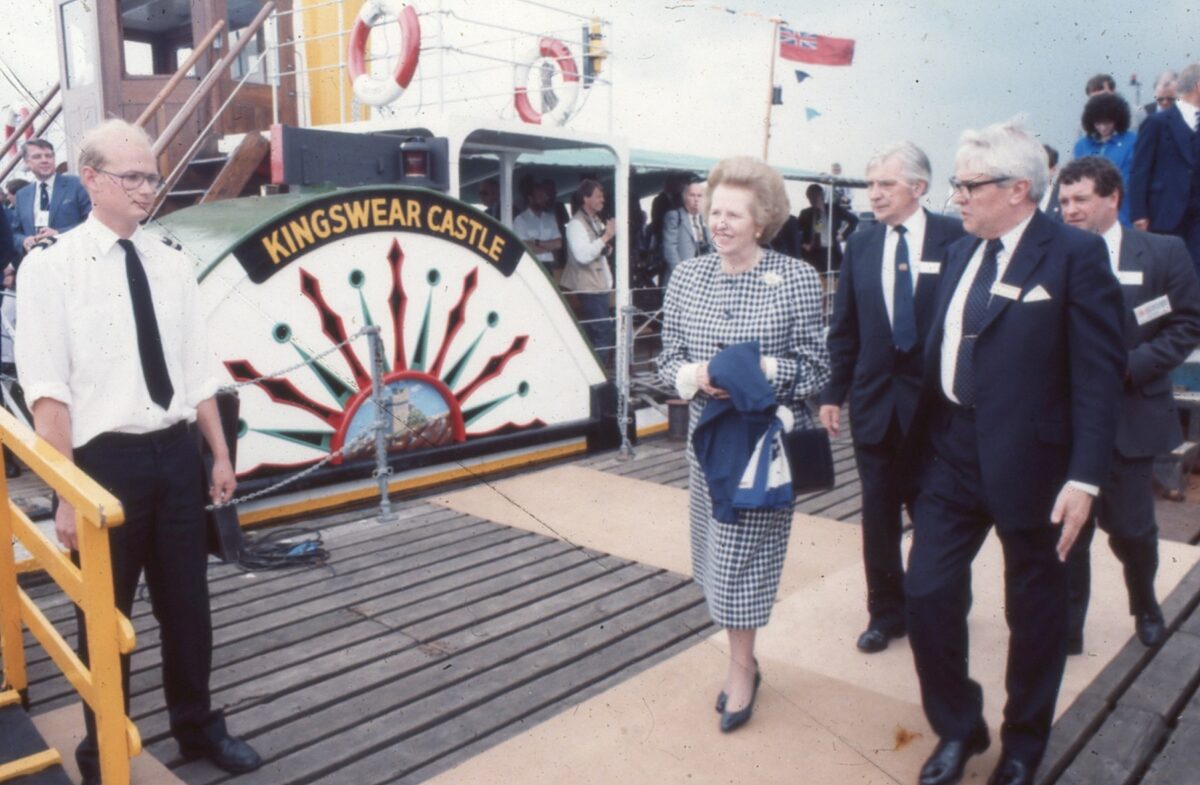
Malcolm stayed with the project until 1991 before moving on to do other things. In those first few operating years he continued to be a great help to KC and to me personally. I always enjoyed our chats and learned a lot from him.
Malcolm’s engineering judgement was not confined to KC. It found further expression in the Mary Rose project for which he was appointed Chief Engineer for Babcock’s involvement to lift her off the seabed at Southsea. By 1982 he was manager of Babcock’s Tipton Establishment. Apprentices were asked to make one tenth scale models of the proposed lifting frame and cradle and these were used by the Royal Engineers for underwater tests at Marchwood. From this the underwater lifting cradle was made in sections at Tipton, assembled at Hythe, launched and positioned over the Mary Rose in June 1982.
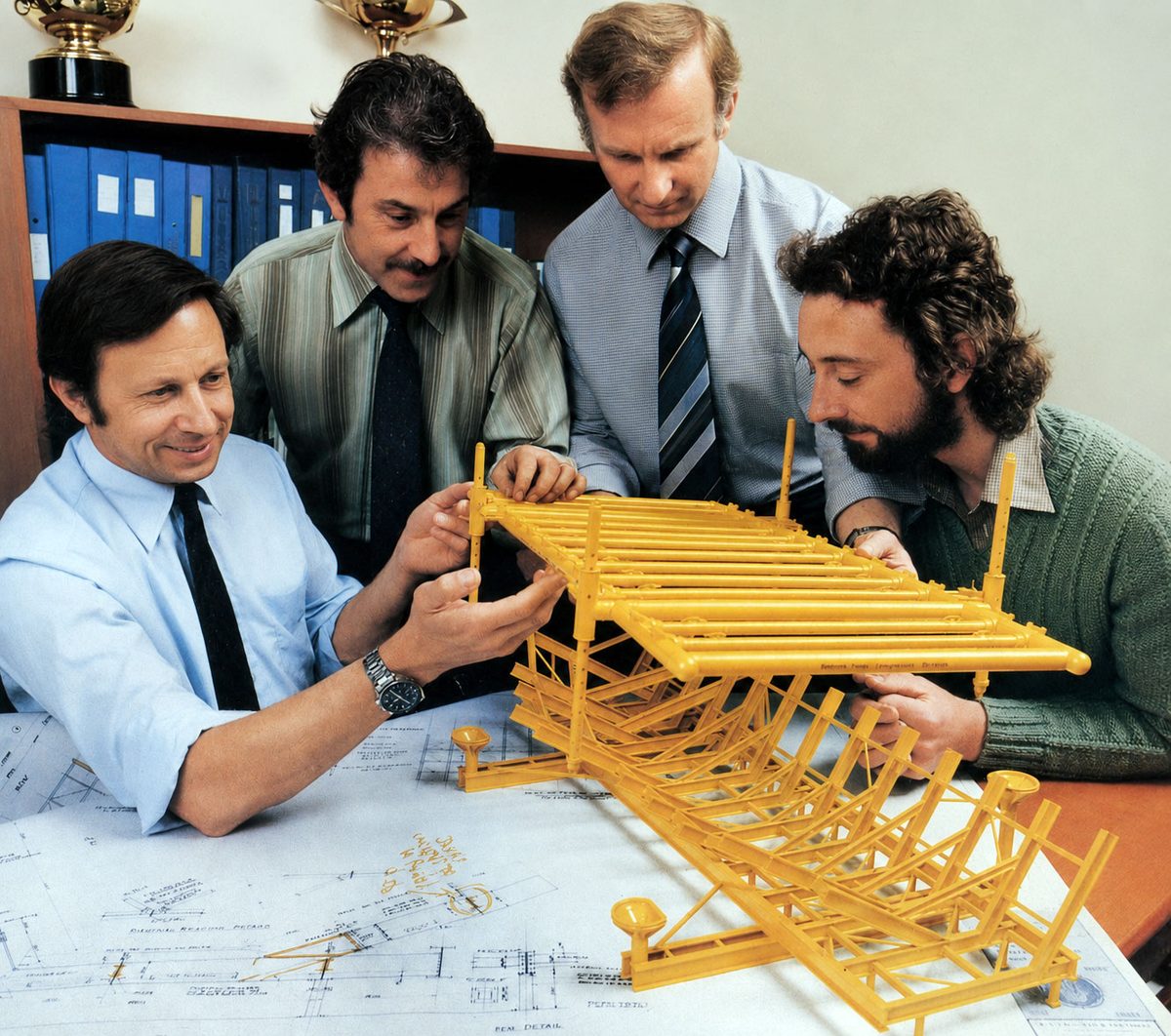
Malcolm said that by this time he was so deeply involved he was spending more and more time at Marchwood and aboard Tog Mor, the floating crane. During the four weeks before the lift he was spending so much time there that he was given his own cabin. On 8th October the technical support team took up residence in preparation for the most difficult part of the operation – the underwater transfer.
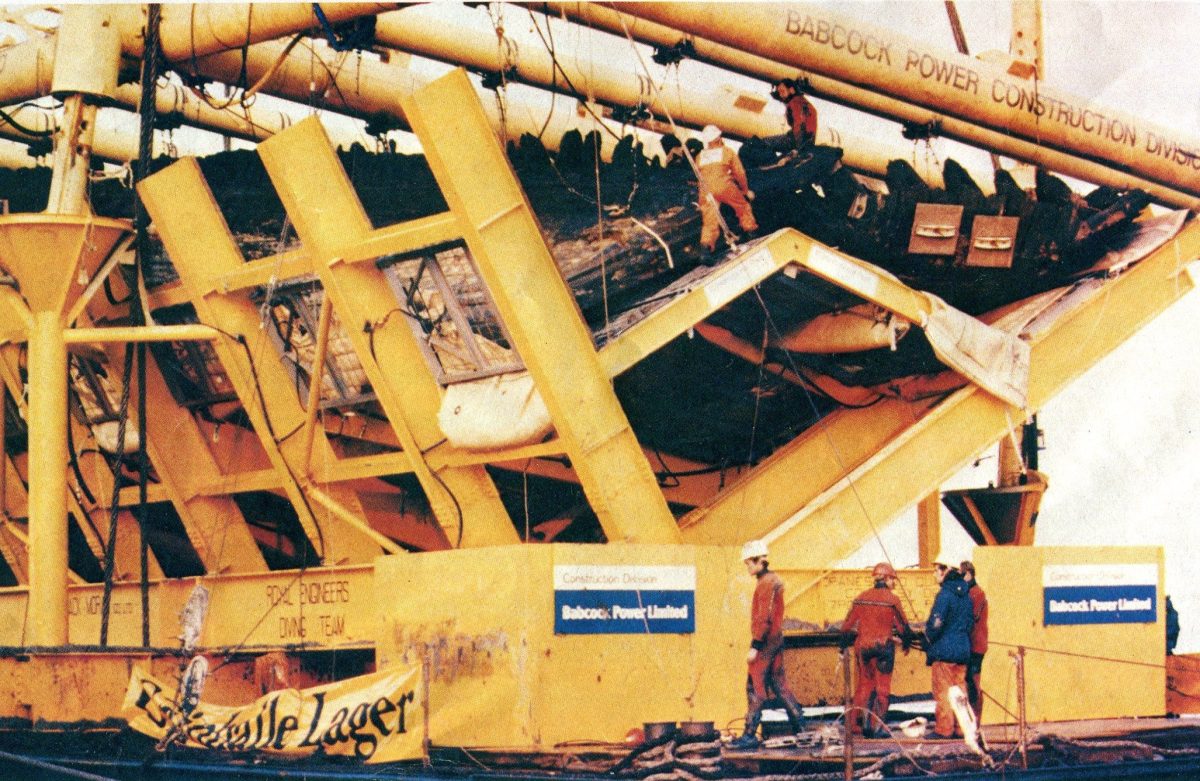
Raising the Mary Rose was not without its difficulties but it was a great moment when the ship appeared above the water for the first time in 400 years. Of this Malcolm said “Basically it was an engineering job which was successfully carried out.” Prince Charles, who was a great supporter of the project, was aboard Tog Mor for the lift.
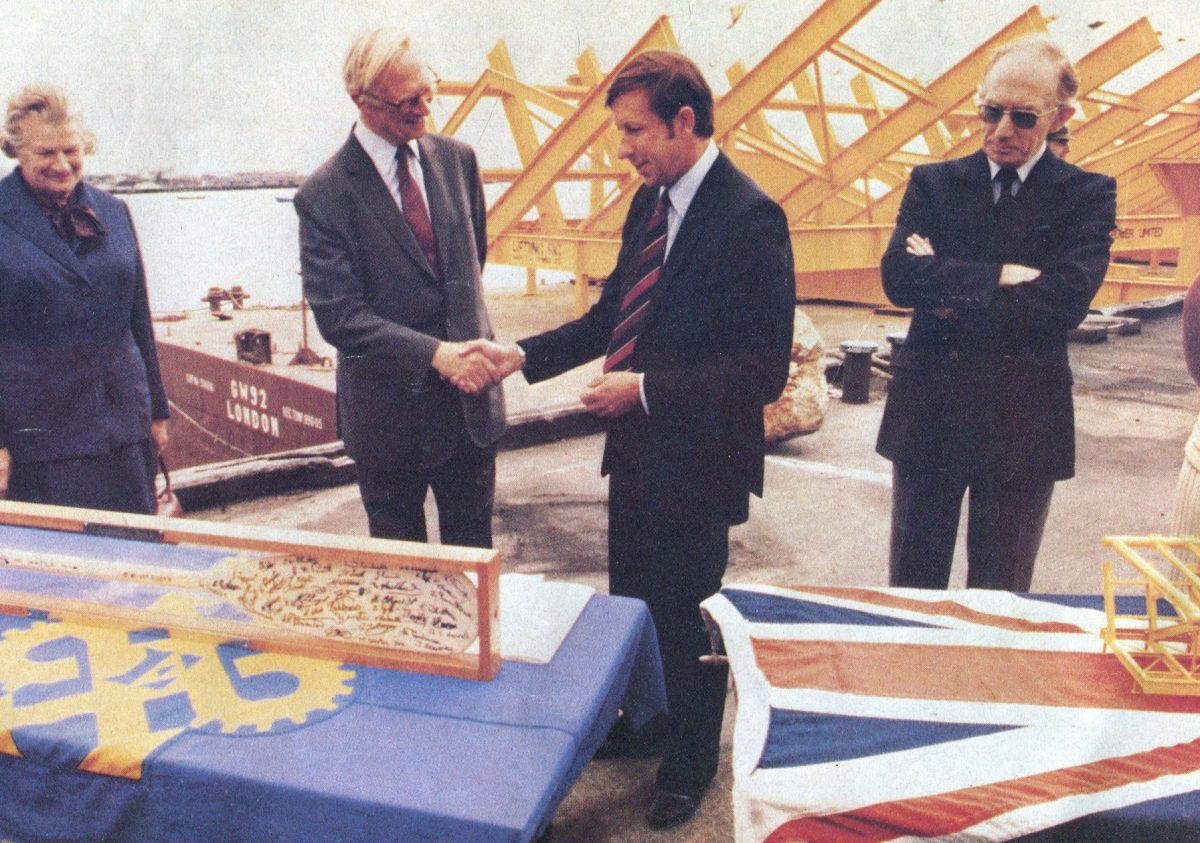
Born in 1941 in Chertsey, Malcolm spent his childhood around small craft on the Thames and started sketching early on. This led to a life-long love of painting fed by his experience as an engineer working all over the world for Babcocks including in Malta, Cyprus and the Middle East. After moving to Cornwall in 1990 he became Artist in Residence for the Falmouth RNLI, exhibited his paintings widely and found that there was a ready market for them.
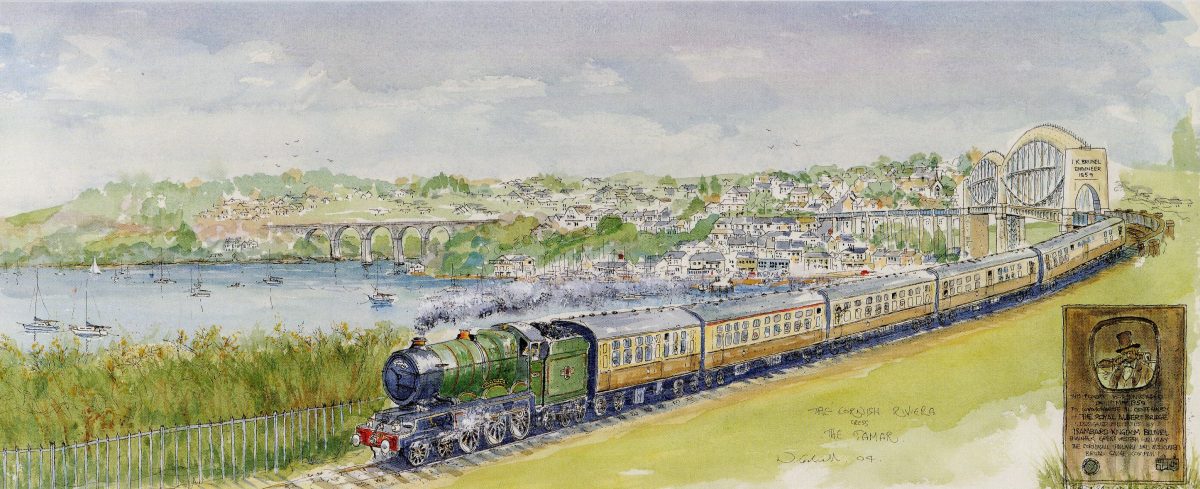
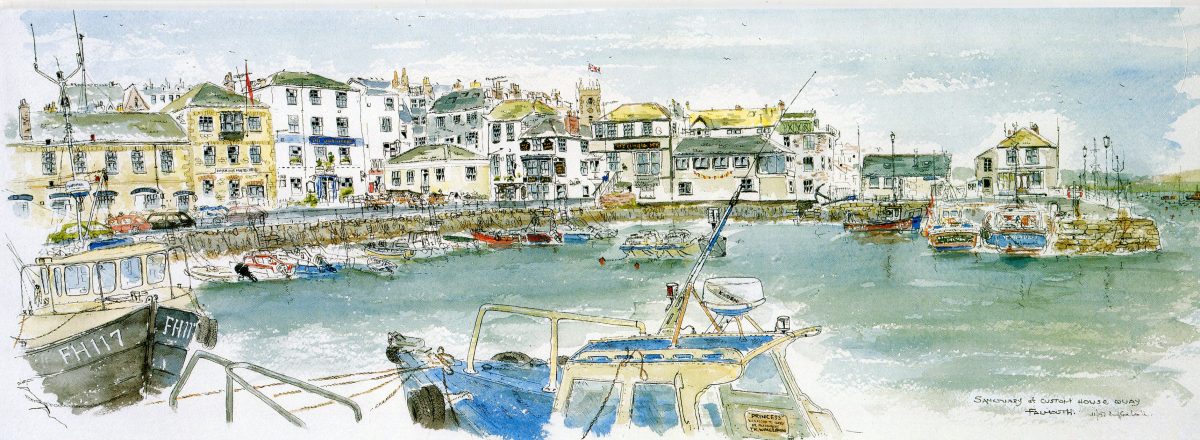
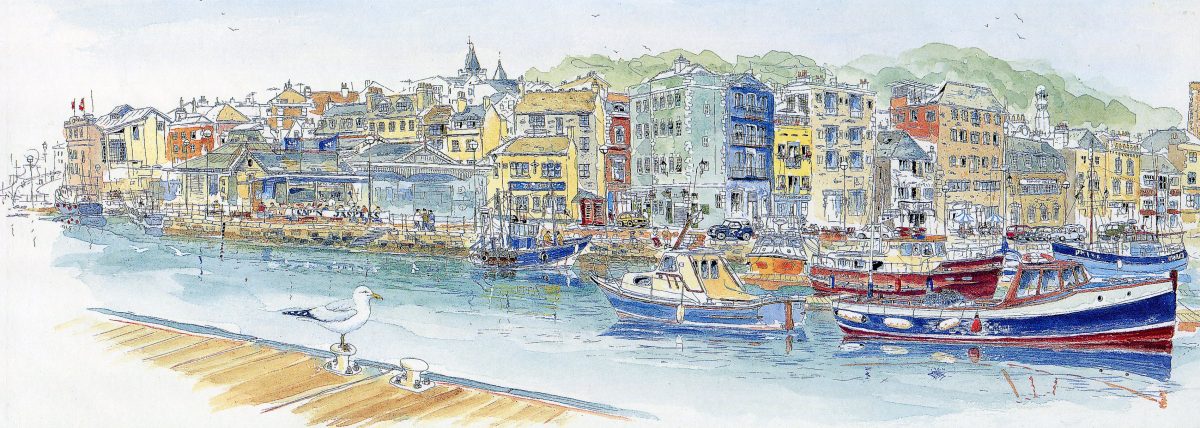
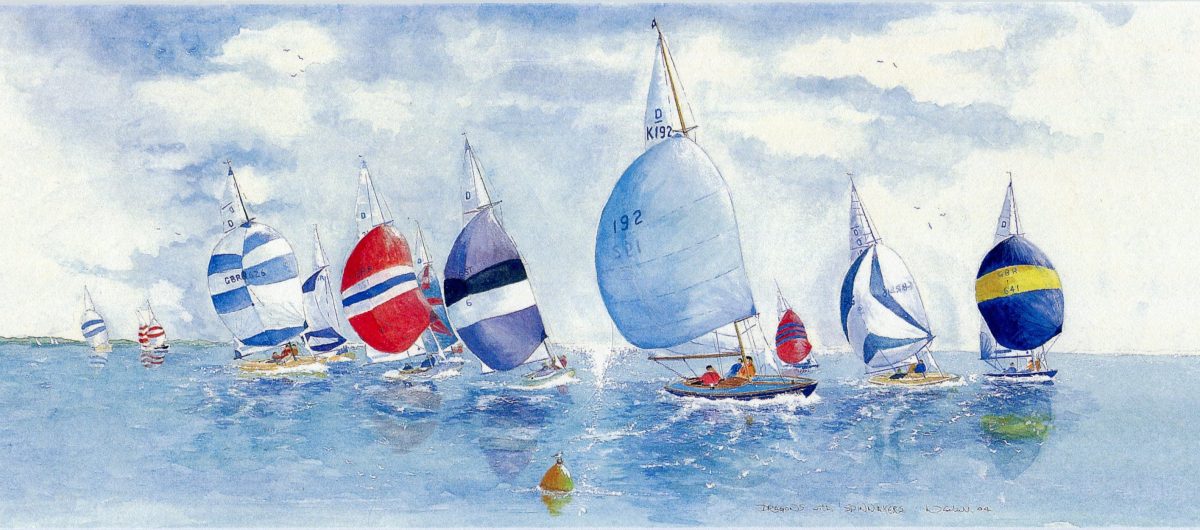
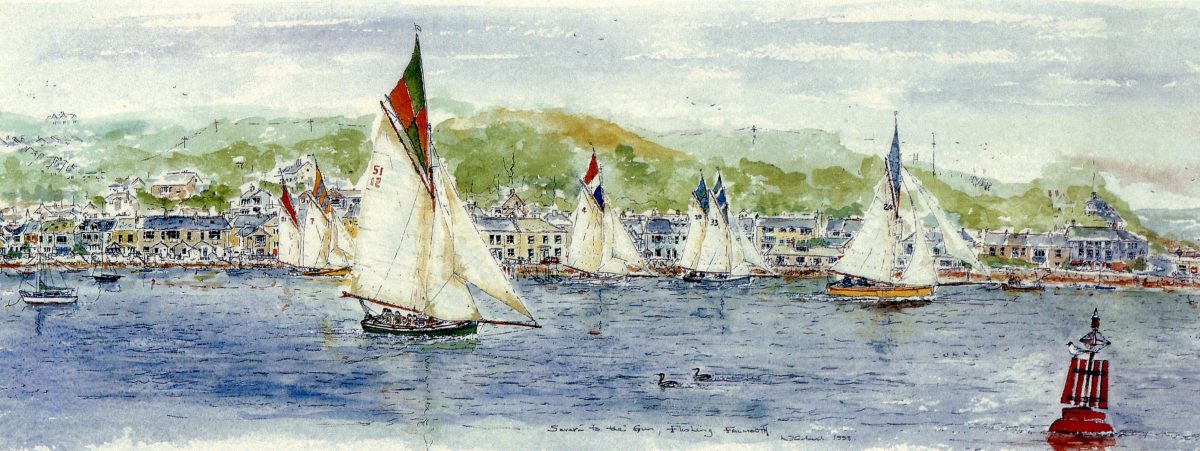
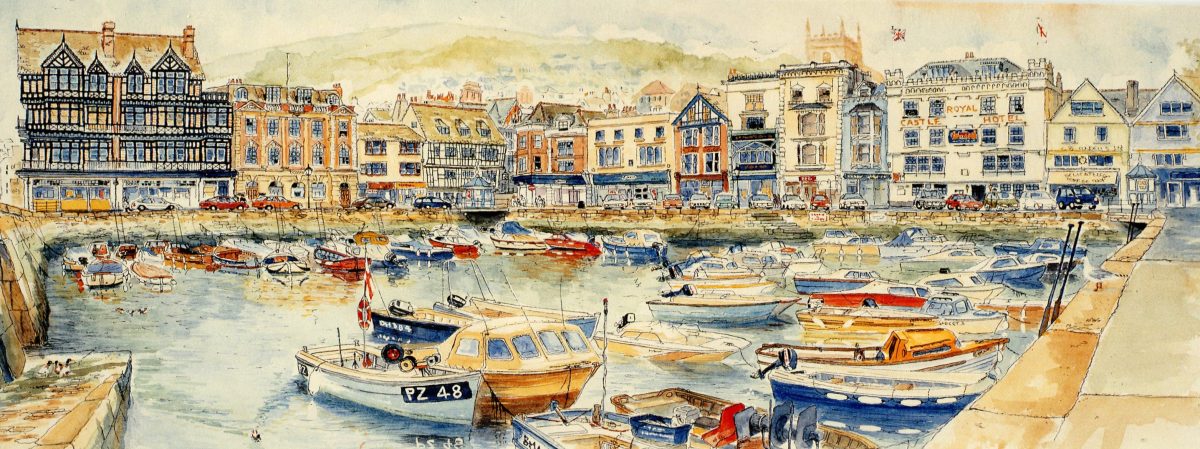
In more recent years Malcolm qualified as a River Severn Boatman.
Today he lives with his wife Harriet in Norfolk which provides rich opportunities for painting with its renowned “big skies” and wealth of splendid churches.
Malcolm is a bit of a polymath. As well as his artistic capabilities he is one of those rare figures whose combination of engineering judgement and organisational clout could alter the fate of a ship. KC’s survival owes much to him, just as the Mary Rose’s resurrection did — two ships whose futures were changed by his blend of imagination, engineering rigour and sheer drive.
If you would like to commission Malcolm to paint a picture for you or would like to buy prints of his work he can be contacted at: malcolm.cockell221@gmail.com
Kingswear Castle returned to service in 2026 after the second part of a major rebuild which is designed to set her up for the next 25 years. The Paddle Steamer Kingswear Castle Trust is now fund raising for future rebuilds. You can read more and how you can possibly help here.
John Megoran