
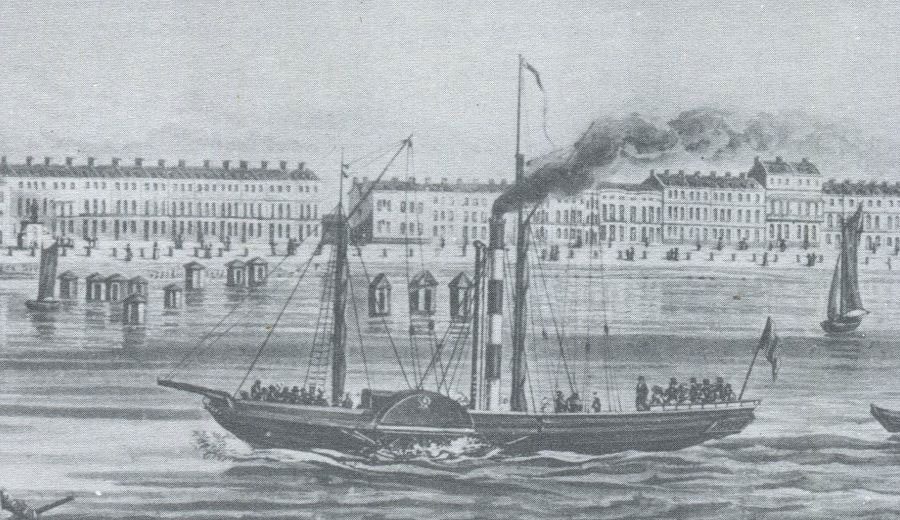
To some extent there has been some sort of support for the elderly since Medieval times through family, charity, guilds or the church but it was not until the 19C that there were the beginnings of company pension schemes administered by employers for the benefit of employees. Amongst the earliest of these were for the civil service, the railways and major industrial employers.
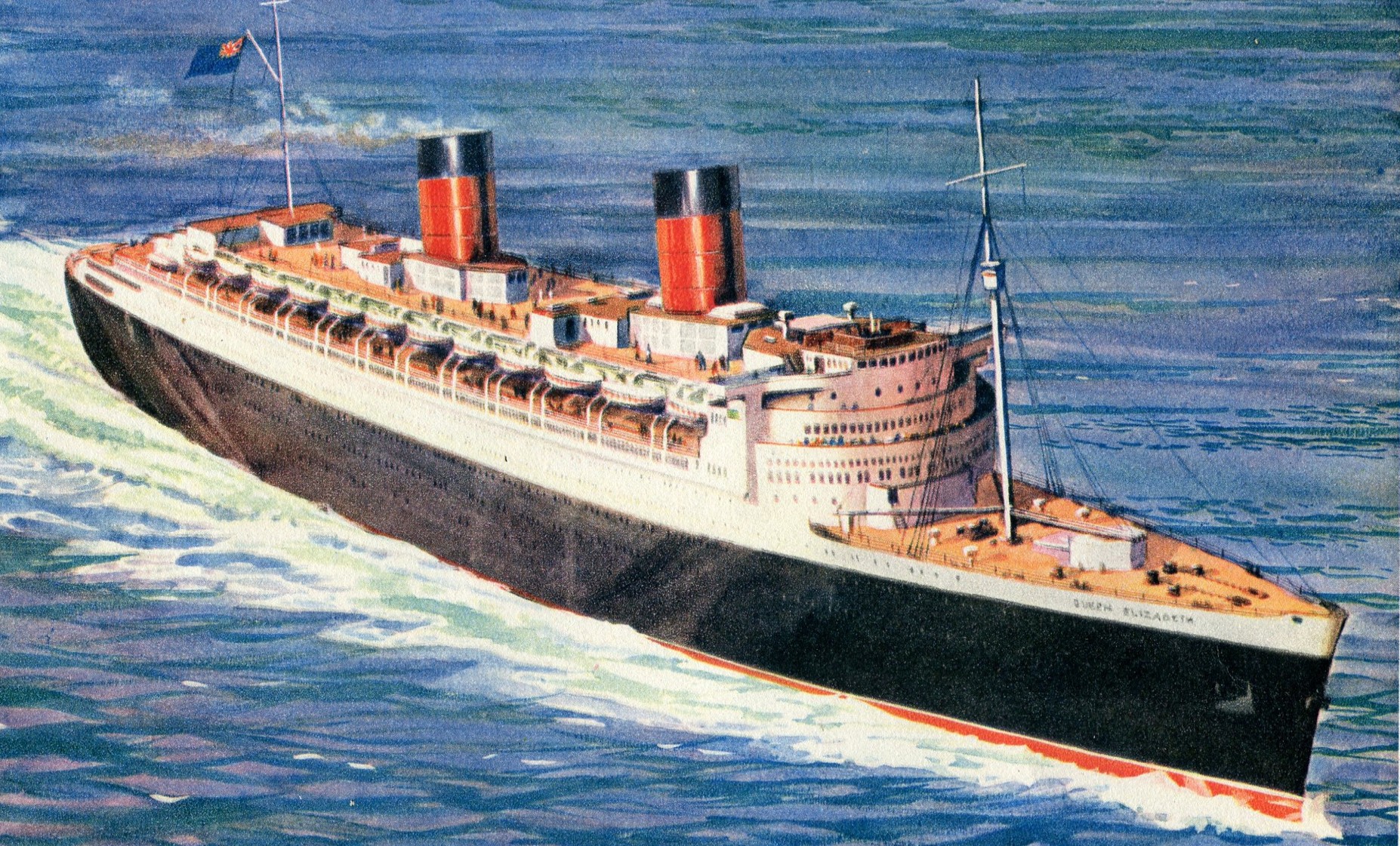
Larger shipping companies started to introduce their own inhouse pension schemes in the 19C but by no means all did and it was not until as late as 1st January 1938 that the Merchant Navy Officers’ Pension Fund (MNOPF) was set up to provide an industry wide pension scheme for officers of the British Merchant Navy replacing the hotch-potch of company gratuities, relief funds and other ad hoc arrangements which had previously existed. However to benefit from it companies had to sign up to it and by no means all did, not least because joining came with its own expenses, liabilities and other sometimes quite onerous commitments which some smaller operators felt were beyond their means to finance.
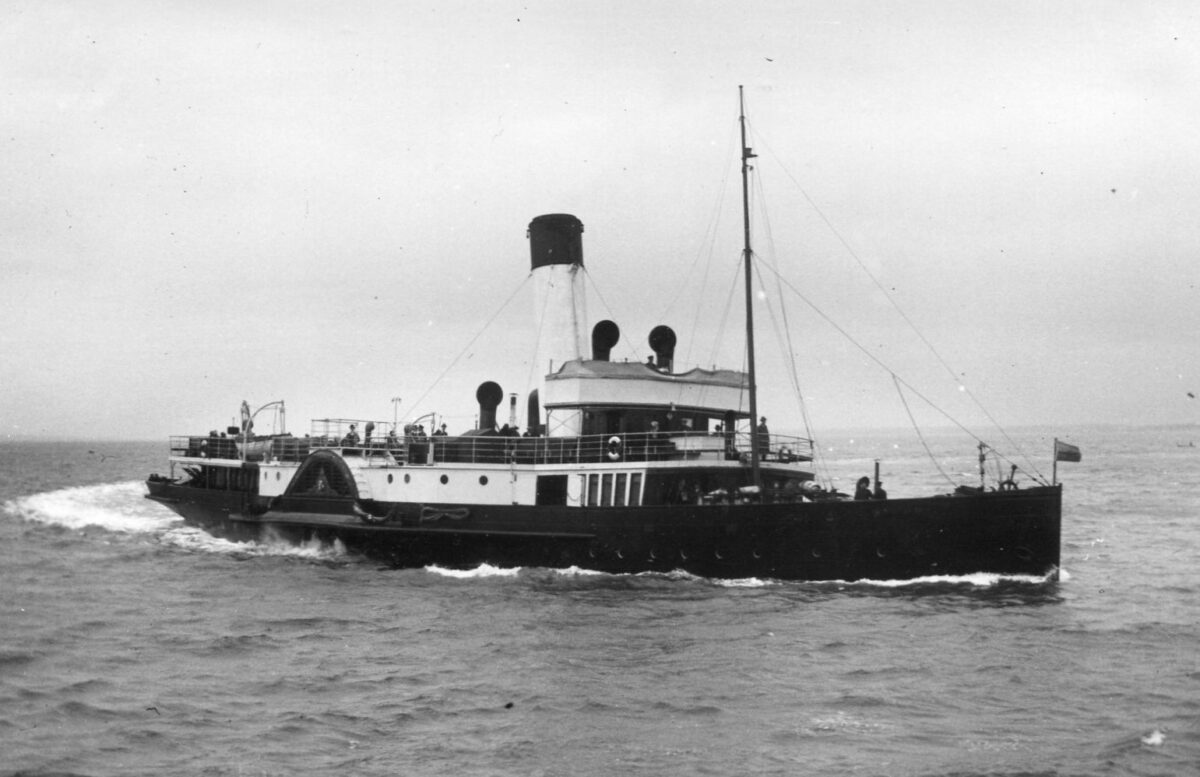
With the railways amongst the earliest employers to introduce pensions, these were soon extended to include crews on the ships they operated in connection with their trains. There were various grades according to status with officers, including captains, mates and engineers, generally included in the salaried staff superannuation schemes. All the railways, even the very small ones, offered some sort of pension arrangements. After the amalgamation in 1924 the big four companies: the GWR, Southern, LMS and LNER each offered multiple, sometimes overlapping pension and benevolent schemes. The 1948 nationalisation created the British Railways Superannuation Fund to provide a central defined benefit pension scheme.
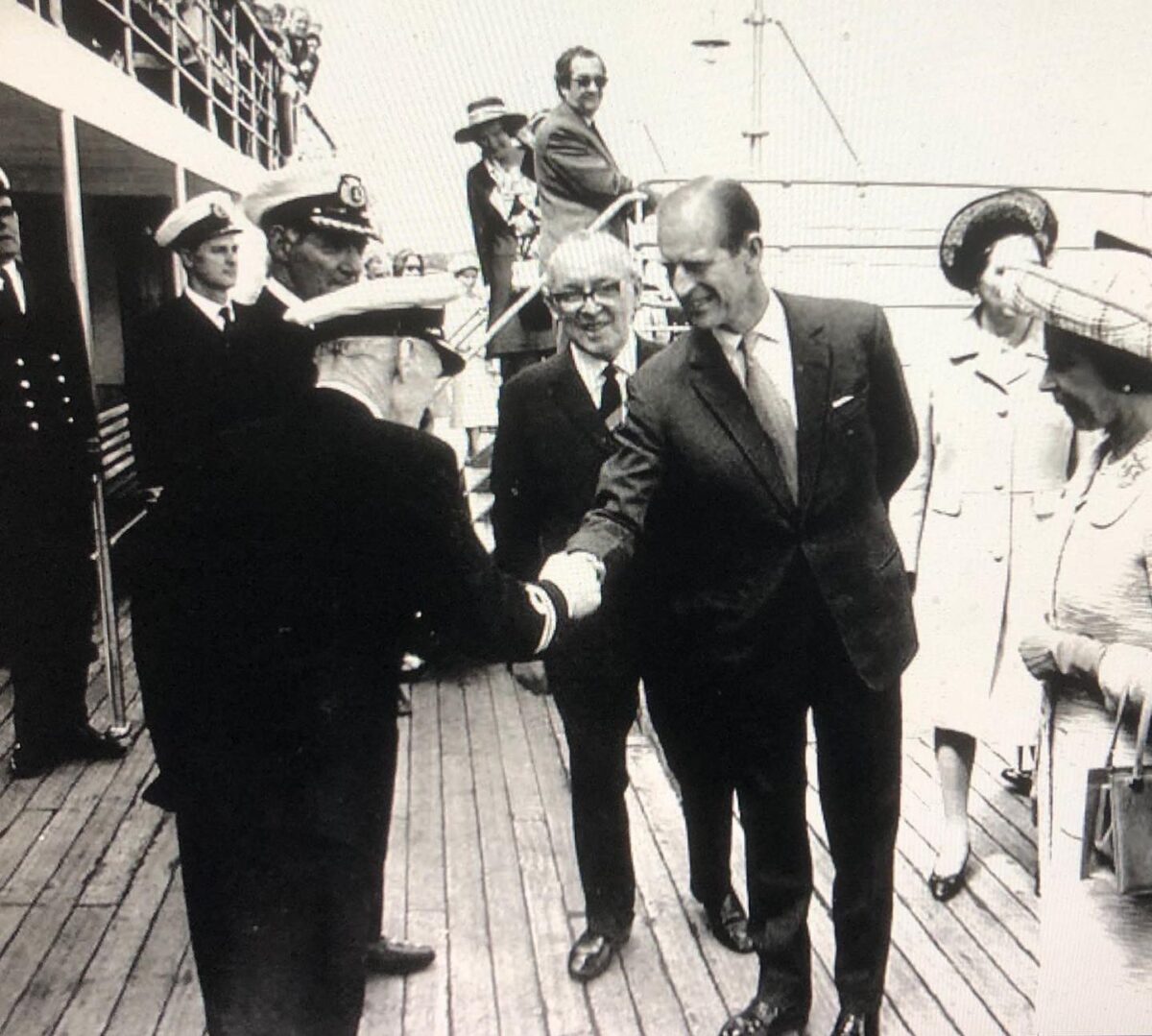
So from the late 19C it was those paddle steamer captains employed by the railways and their associated companies who had the best gold plated and final salary related pensions, often with other perks added too including reduced price rail travel, to give them a more comfortable retirement.
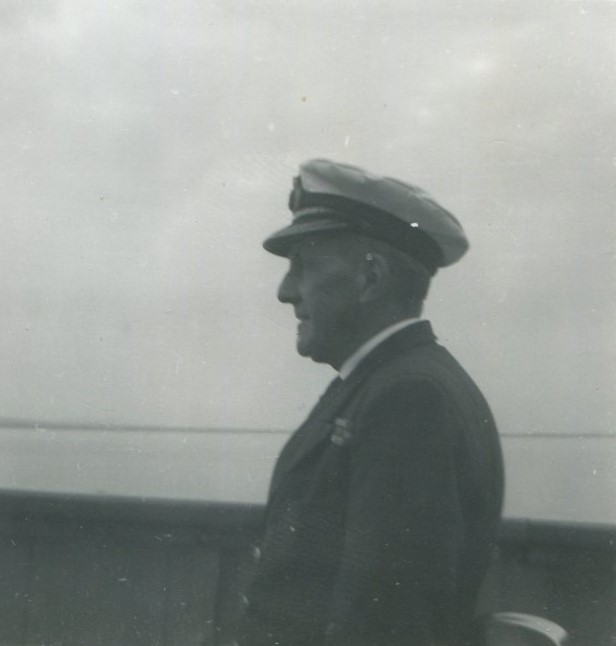
For those captains employed on purely excursion steamers pension arrangements were a mixed bag. Some companies provided some sort of inhouse pension scheme. Some offered pensions to some, and only some, long serving individuals and then only if they if they asked. Some gave a modest gratuity to their most valued employees on their retirement. Others offered nothing at all and expected their employees to make their own provisions for retirement.
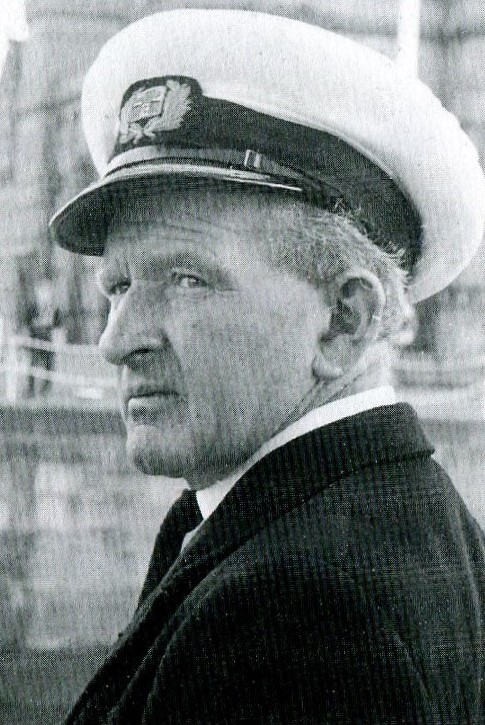
As a result, and where they were able, some captains worked on until they were seventy or more. I think Capt Wide was in his late seventies when he finally retired as master of Balmoral. Anyone out there remember the exact age?
For those without pensions, and whose salaries had been modest during their careers hindering their ability to save for their old age, their retirement prospects were bleak unless they had children or there was family money or there were other benefactors in the offing to assist.
As a safety net a basic State Pension was first introduced in 1909 at 5/- (25p) a week which scales up to £26 a week in today’s money. It was means tested. You had to be over 70 to get it. And you had to be “Of good character”. The National Insurance Act of 1946 created a universal contributary State Pension. In 1964 this was £3 7s 6d a week which scales up to about £80 a week in today’s money. In 2026 for those who turned 65 pre April 2016, the State Pension is currently £176.45 per week or £9,175.40 per annum. This is the lowest State Pension of any in the G7 and towards the bottom of the league of any in the developed world.
Tiny Point of Detail 1:
Sadly the value of company pensions has also been in retreat in recent years. The old section of the MNOPF built up from 1938 closed to new contributions in April 1978. All active members were moved into a new section which initially offered a very generous (by more recent standards) accrual rate of 1/40th of average revalued salary per year. Accrual rates were reduced in 1997 and 2000 but a guaranteed annual increase remained until 2016 when the fund stopped building new defined-right benefits and subsequently offered only defined-contribution saving or other employer schemes.
Tiny Point of Detail 2:

Kingswear Castle returned to service in 2023 after the first part of a major rebuild which is designed to set her up for the next 25 years running on the River Dart. The Paddle Steamer Kingswear Castle Trust is now fund raising for the second phase of the rebuild. You can read more about the rebuilds and how you can help if you can here.
John Megoran