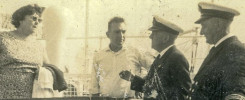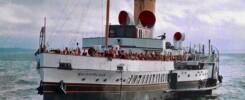
After the First World War a London builder named Edwin Denton set himself up in Weymouth. He bought the land overlooking Portland Harbour between Sandsfoot Castle and the beach in Old Castle Road and built twelve houses including ten semi-detached, one bungalow and one large and much grander detached house.
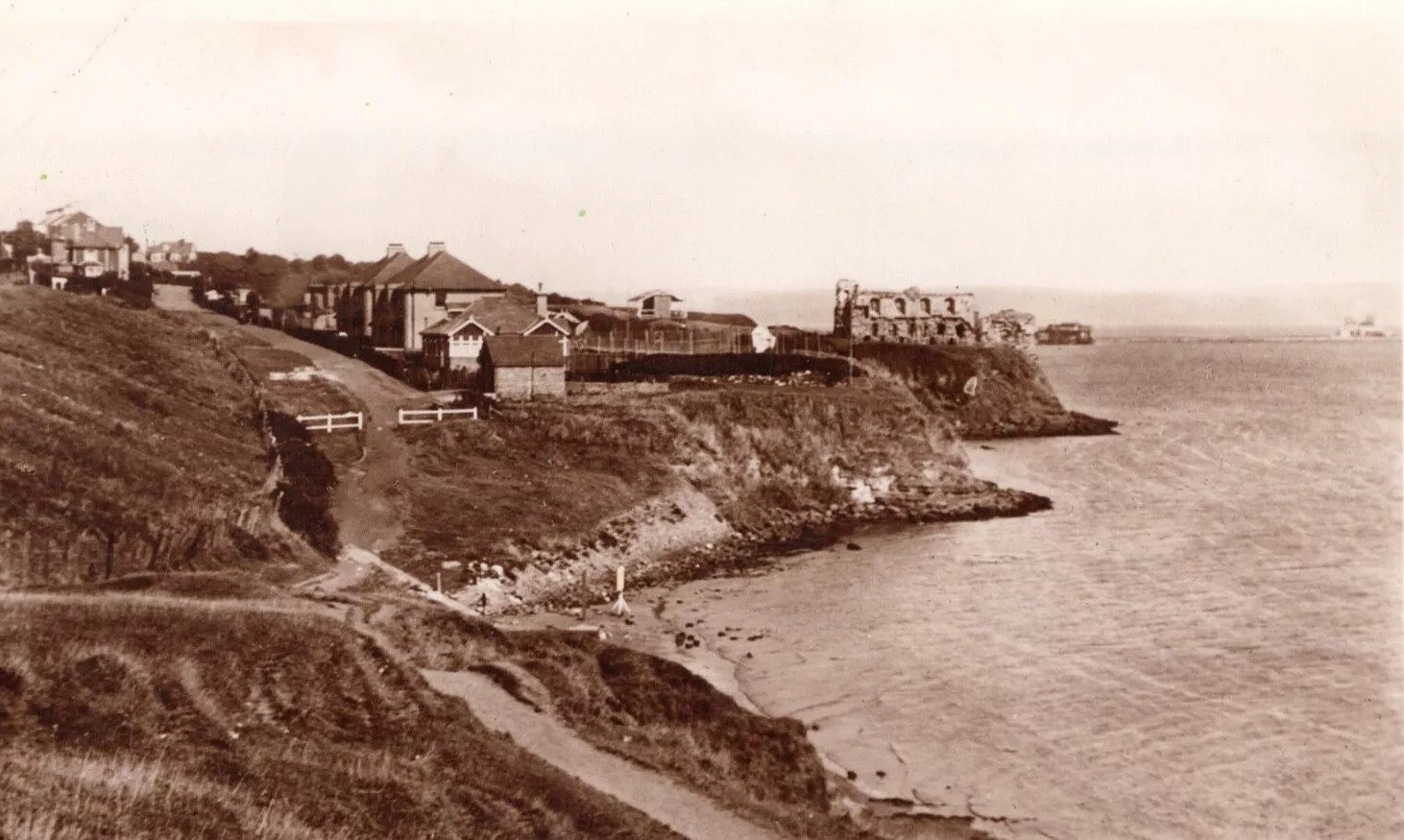
The larger detached house (yet to be built in the above pic) at number 49 he sold to Henry Nathaniel Byles and his wife Mary in 1932. I believe that they originally came from Yorkshire although by this time they had been Weymouth residents for some while.
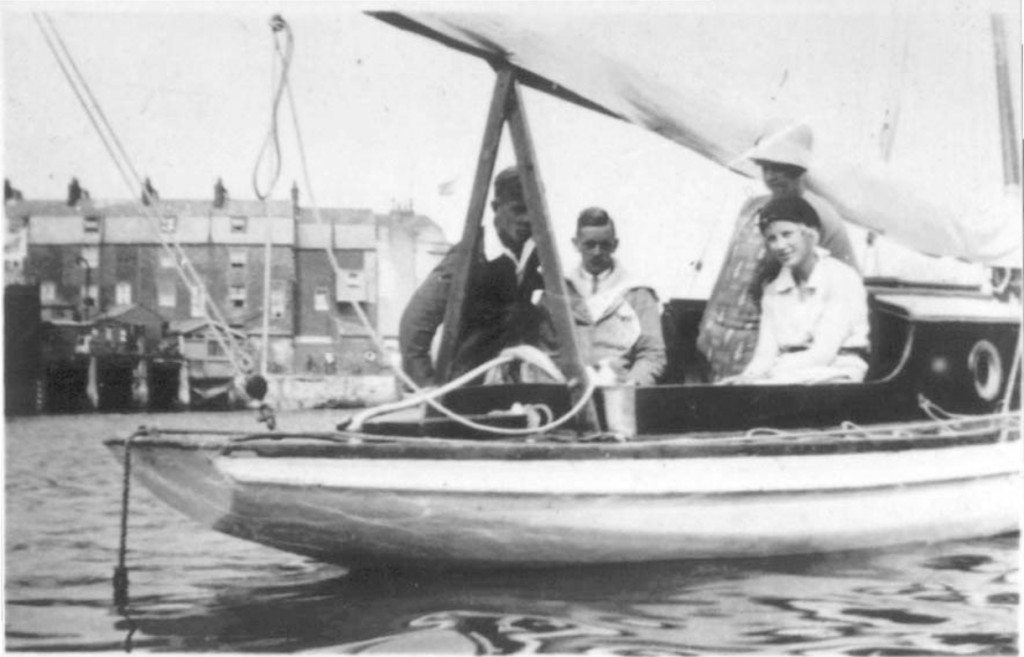
Henry Byles was very interested in boats. He was a founder member of Weymouth Sailing Club. He designed the club’s burgee which is still in use today. By the time he bought the house overlooking Portland Harbour in1932 he owned the cruising yacht Lapwing.
Not surprisingly Henry passed on his interest in matters maritime to his son William who in November 1922 joined the Union Castle Line as a cadet after training in the Worcester.
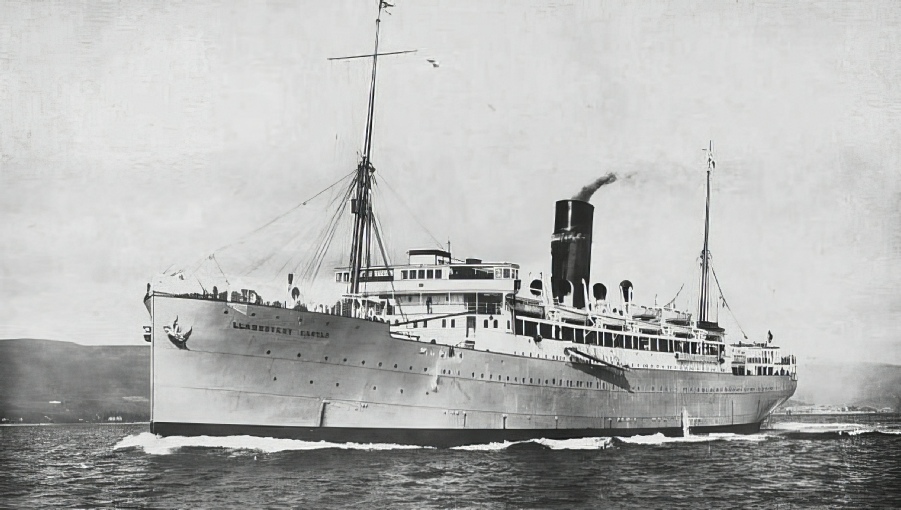
In 1925 Billy, as he was known, passed his Second Mate’s ticket and was promoted fourth officer in the brand new Union Castle liner Llandovery Castle.
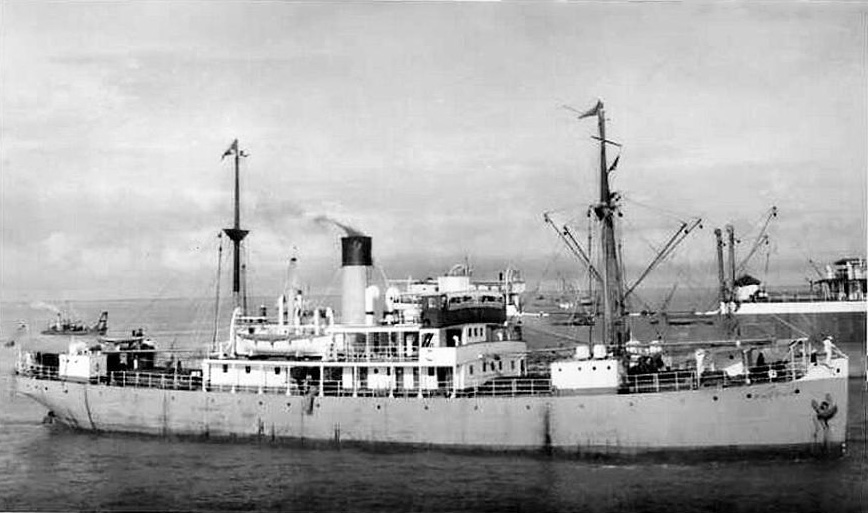
In 1932 he gained his Extra Master’s ticket and in 1938 at the young age of thirty two was given his first command of the small passenger/cargo ship Rovuma then owned by Union Castle. So he must have been very well thought of by management.
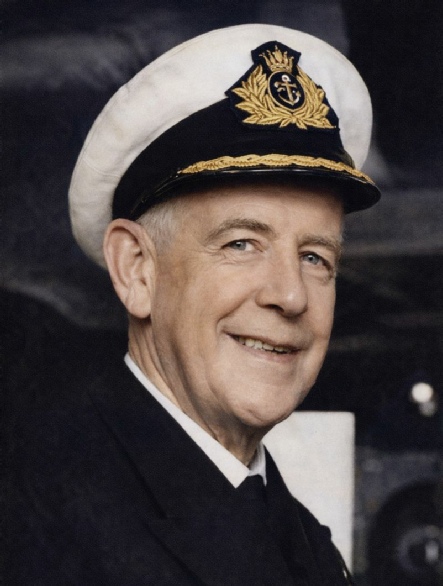
Unfortunately father Henry didn’t get to see his son Billy’s promotion to master. He died unexpectedly in 1937 only four years after moving into the new house.
Mary Byles continued to live there on her own for a further twenty five years. Billy Byles progressed in his career. During the war he served in the Royal Naval Reserve and was mentioned in despatches for sinking the bloc ship Jacobus across the entrance to Dieppe Harbour. For his work at the shore base HMS Tormentor he received the Special Commendation of the Commander in Chief in Portsmouth. In 1953 he was promoted Captain RNR.
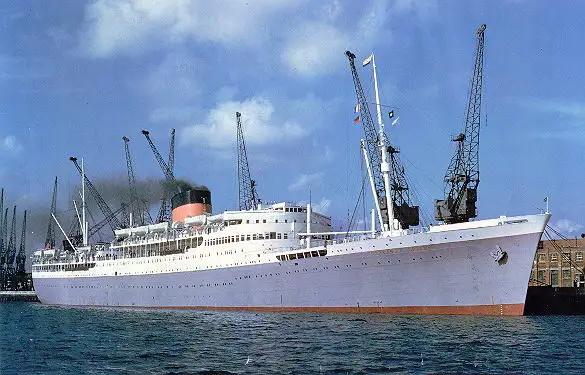
After the war he returned to Union Castle and was seriatim master of Frank A Vanderlip, Llanstephan Castle, Dunnotar Castle, Bloemfontien Castle, Arundel Castle, Durban Castle, Stirling Castle and Capetown Castle.
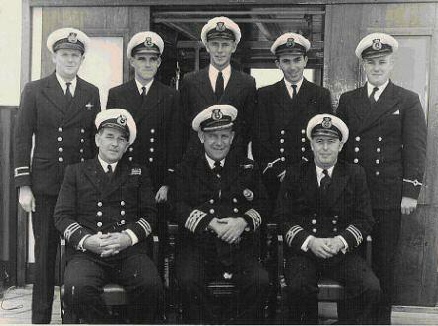
In 1961 he joined Carnarvon Castle as her last master.
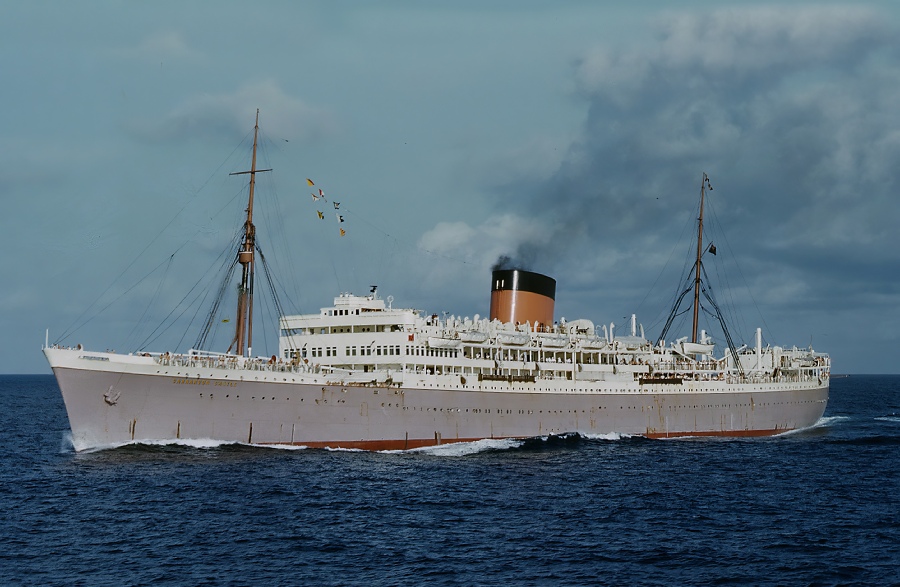
She was withdrawn in 1962 and laid up briefly in Portland Harbour in clear view of Capt Byles’ Mum’s house at 49 Old Castle Road. My parents came to live in one of the Denton houses at number 39 in 1948 and bought it two years later. So I remember the Carnarvon Castle arriving in Portland Harbour. We knew Mrs Byles so we also knew that her son Billy was her captain. Given that it was such an unusual place to lay up a liner I suspect that Capt Byles played a part in fixing it. His Dad had not lived to see him take his first command. But his Mum got to see from the windows of her own home her son commanding one of the greatest liners of the day.
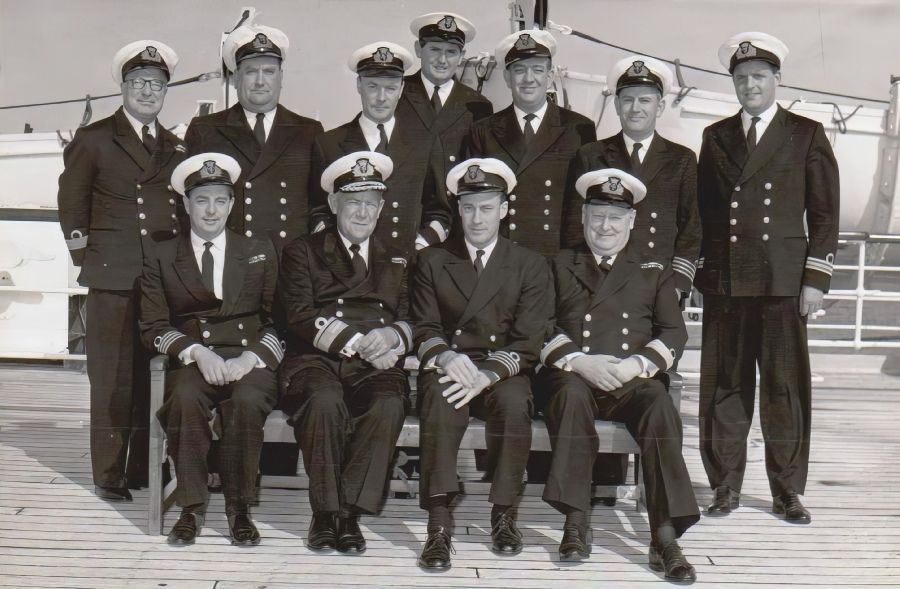
After Carnarvon Castle Capt Byles moved as master to Pretoria Castle and then Edinburgh Castle in which he was appointed Commodore of the fleet in 1965. He retired in September 1967.
It was not long after Capt Byles had brought the Carnarvon Castle to Portland that his Mum died in December 1962. At that point he was living in Horsham with his wife and family so he put the Old Castle Road house up for sale.
At the bottom of its garden were steps down to the beach below. Mrs Byles allowed us to use them so my family and I passed through her garden often in summer going swimming or for me carrying my model of Consul to tow behind me on the end of a piece of string in and out of the reefs just off the shore.
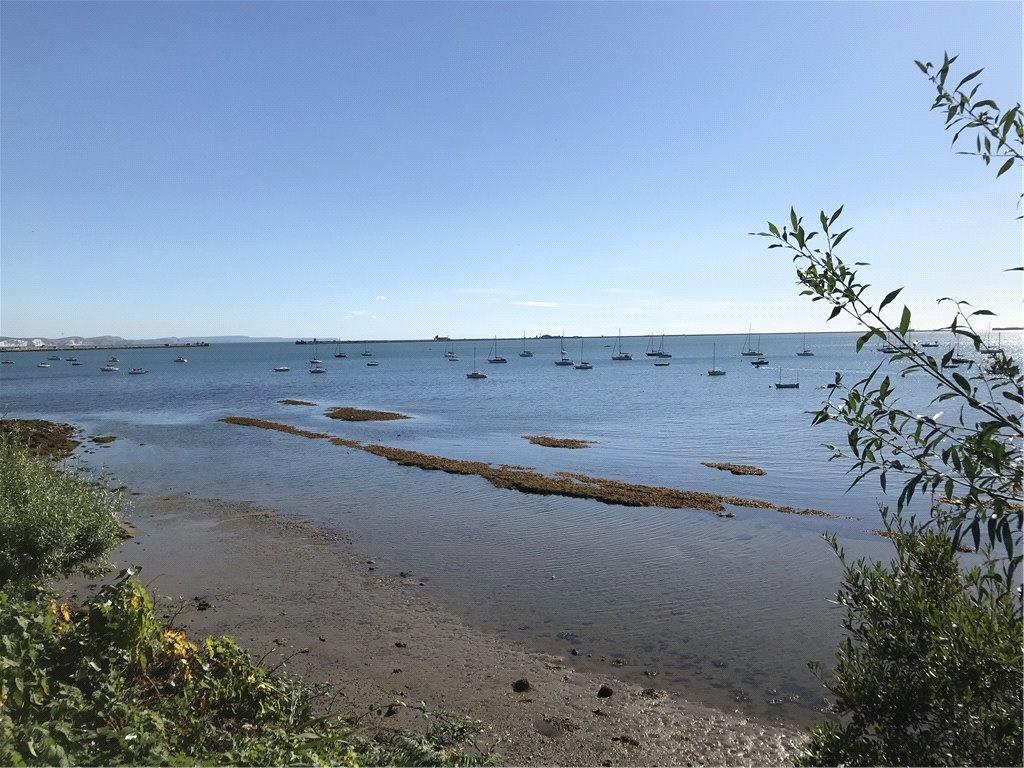
The house and its surroundings had a magical charm to them for a child. Opening the garden gate felt special. It was a little bit like stepping through the door in the Lion, the Witch and the Wardrobe. You passed into a different world. The garden was large, had extensive flower beds (I particularly remember the lupins) hidden behind fences and by then was a little overgrown and wild. Beyond was a tennis court. How many houses have their own private tennis court in their garden? And beside that there was a large open ended shed containing a giant rusted up roller which in its heyday had been used to keep the grass flat. There was a hammock which had seen better days with supporting ropes at each end of it which didn’t look as though they were entirely to be trusted.
The new purchasers were Capt Victor Newton, who was then master of the Channel Islands mailboat Caesarea, and his wife Molly. They took a different view on garden maintenance and swept everything away. Down came the fences. Out went most of the plants (including the lupins). They favoured a more open plan garden. The tennis court became a lawn and the steps down to the beach were eventually removed as they became increasingly unsafe as the years rolled on.
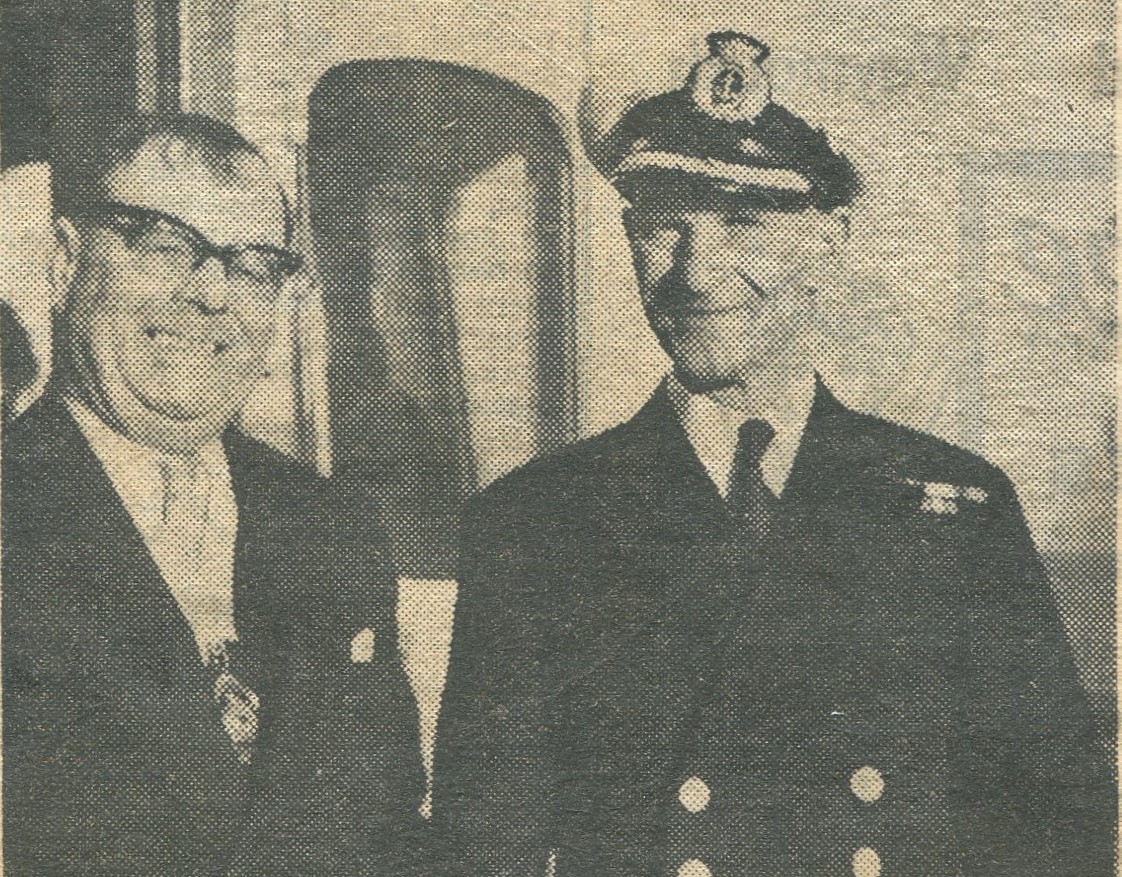
Capt Newton went to sea with the Anglo-American Oil Company in 1918, gained his Extra Master’s ticket when he was twenty four and joined the Great Western Railway Channel Islands service in the early 1930s as second mate and then chief officer of the cargo and mailboats.
He was wounded as chief officer of Roebuck, whose master was Capt Larbalestier, in the attempted evacuation from St Valery a couple of weeks after Dunkirk. After recovery from that he joined the Royal Navy, became a Lt Cdr and saw service on larger warships serving on the Atlantic and Russian convoys and the capture of Guam in the Pacific.
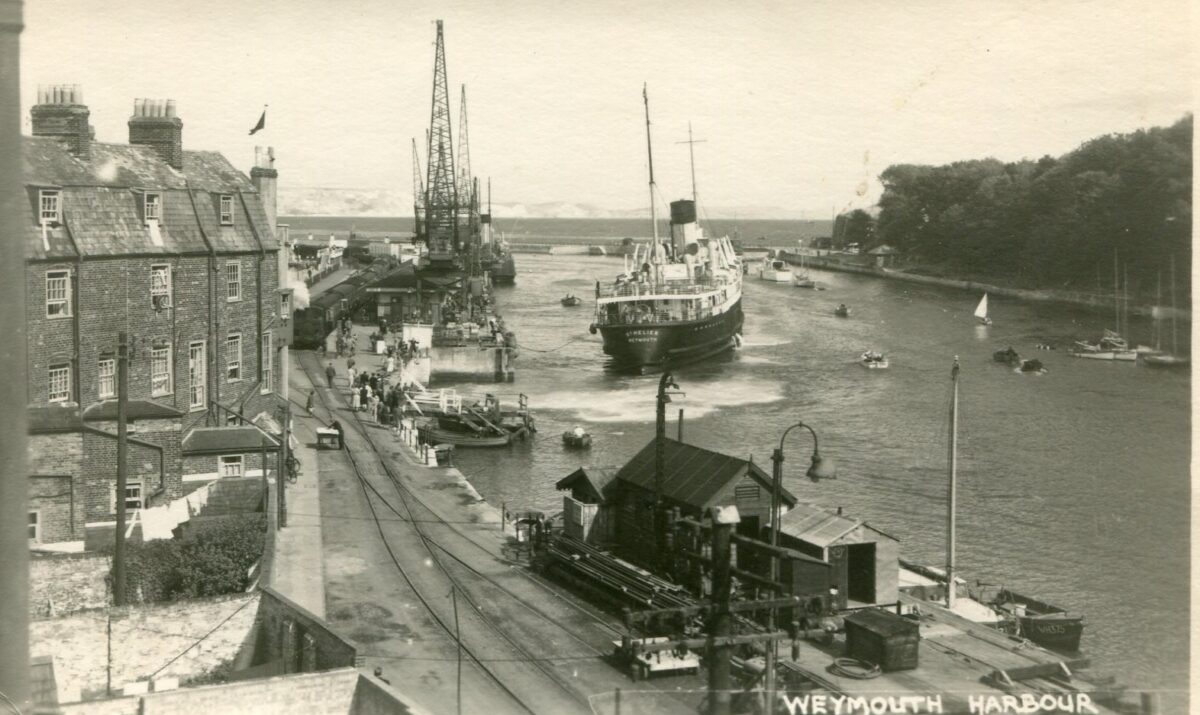
After the war he returned to the railway fleet at Weymouth serving initially as chief officer of St Helier.
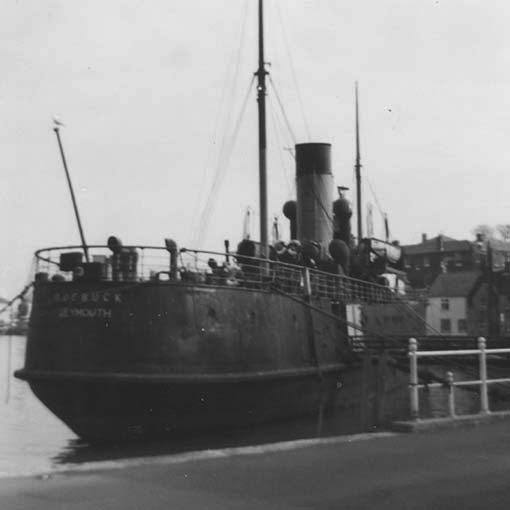
He was promoted relief master of the cargo ship Roebuck in October 1949.
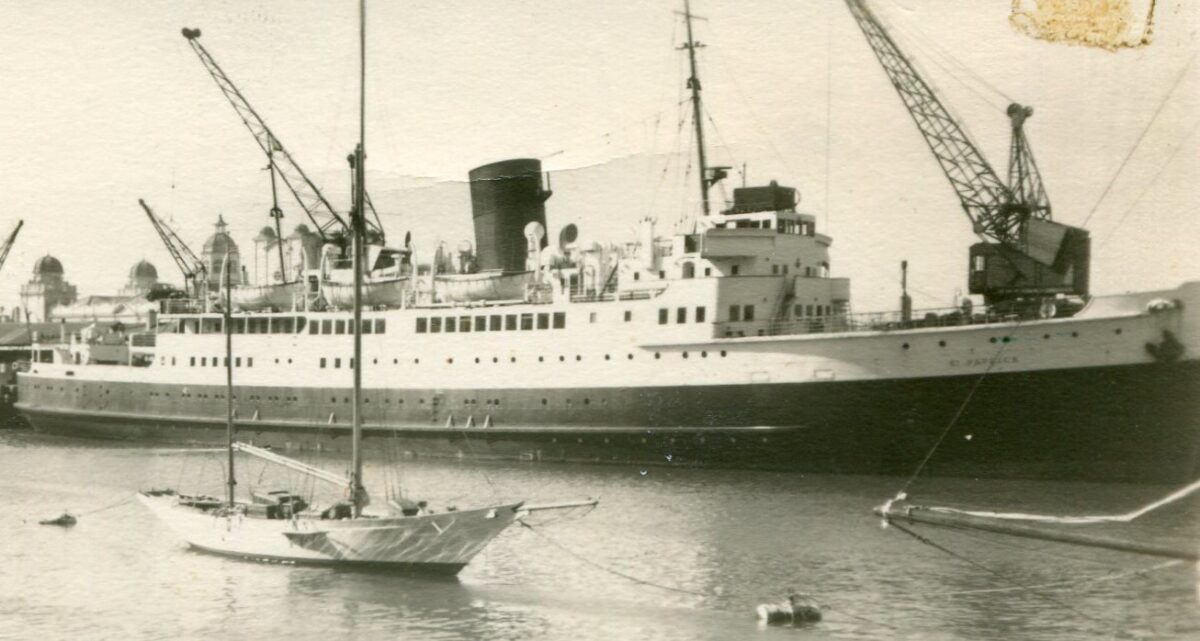
In June 1953 he was promoted relief mailboat master and permanent mailboat master the following year sailing as captain of both St Julien and St Patrick.
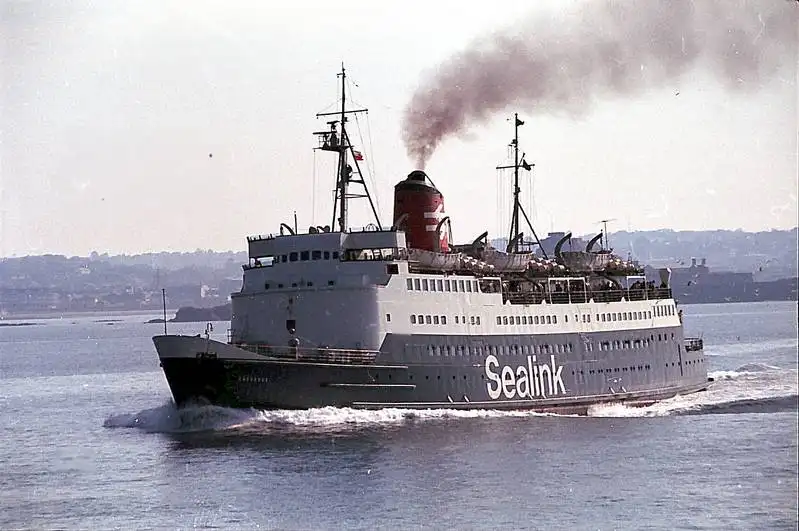
With the advent of the Caesarea and Sarnia in 1961 Capt Goodchild was the most senior mailboat master at that time and might have been expected to command one or other of the two new ships but he was due to retire in 1962 and so stepped aside leaving Capt Newton to become the first master of Caesarea and Capt Gerry Cartwright the first master of the Sarnia.
The general pattern of sailings after the war was for two mailboats to cover the service from Weymouth to Guernsey and Jersey during the season each sailing out one day and back the next with Sundays off. The third mailboat ran one round trip at the weekend to help clear the crowds plus one day trip from Weymouth to Guernsey and one day trip from Torquay to Guernsey each week. So each of the mailboats operated three cross Channel round trips per week. In the winter St Patrick went off to Fishguard and St Helier and St Julien spent half the winter each running a one boat service out by night and in by day three times a week with the other laid up and in refit.
As the 1960s wore on, with the new and more luxurious ships, with sailings to the Channel Island from Southampton abandoned and with the withdrawal of St Patrick after 1963, there was a need for more round trips per week in the season by Caesarea and Sarnia as well as Sunday working. With that there was a consequent need for more relief masters. It then became the norm for captains, mates and second mates to work two trips on and one trip off.
In February 1968 Capt Newton turned sixty five which was the mandatory retirement age for British Rail masters. I remember him saying that he didn’t want to retire. He loved his job. He loved being afloat. He loved the ship handling. But that was that. British Rail didn’t employ masters over the age of sixty five. However they did offer him a seasonal summer job as second mate but he didn’t want that so he retired to the house built by Denton in 1932 overlooking Portland Harbour from which he had a nice view of his mailboats inward and outward bound beyond the Portland breakwaters.
Capt Newton was a kindly man and very helpful to me knowing of my burgeoning interest in ships. At the tender age of fifteen I wrote to the railway office at Weymouth asking if they had any summer jobs going on the Channel Island mailboats not really expecting a positive reply. But a positive reply I got and in my school holiday for 1966 I became a Deck Boy on Capt Newton’s Caesarea.
Three years after retiring Capt Newton was briefly back at sea once again this time for an adventure on a trans Atlantic voyage. The 400 ton passenger vessel Rio Aysen put into Weymouth on passage from Germany to Chile when her master was taken seriously ill. Capt Newton was looking round the harbour, noticed her and asked what she was up to and if they needed any help. They couldn’t believe their luck and signed him on as master straight away.
When Rio Aysen arrived in Weymouth three of her Chilean crew had scarpered. The police found them in Liverpool, drove them back to Weymouth and described by the Dorset Echo as “illegal immigrants” they were put back on the ship. Capt Newton was quoted as saying “The men apparently left the ship without the required documents. They will be kept below until we are well out in the Channel”. The Echo also reported that as she sailed from Weymouth Rio Aysen was given a long blast on the whistle from Capt Newton’s former command Caesarea.
The third captain in the Denton houses in Old Castle Road was Capt John McHattie. He was born in 1905 so was about the same age as both Capt Byles and Capt Newton. He went to sea as a cadet with P & O in 1921. When he had obtained his extra master’s ticket he saw that there was a job going as a Suez Canal pilot. In those days the big liner companies often had “choice” pilots in many of the big ports chosen from those who had started their careers with them. Capt McHattie applied and from the mid 1930s became a “choice” pilot for P & O for the Suez Canal.
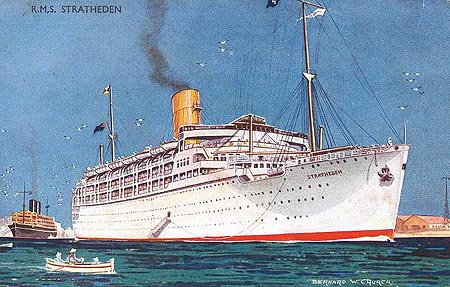
After the Second World War, in which he served as a Commander in the RNR, he returned to Suez and found that where before he was one of the junior pilots he was now one of the most senior. And so that rather grand colonial lifestyle continued into the 1950s until it came to an abrupt end in 1956 when the Egyptian President Gamal Abdel Nasser announced the nationalization of the Suez Canal Company, sacked the British pilots and promoted the local tug skippers to take their place.
With no job and with no home Capt MacHattie and his wife Betty returned to the UK. His Mum Alice McHattie owned one of the other Denton houses at number 53 Old Castle Road. Another at 61 had fortuitously just come onto the market so John McHattie and his wife Betty bought that and moved in four doors down from his Mum.
He thought that he had been promised a job as a Commissioner of Pilots at Dover but nothing came of that. He was then over fifty and that was not an easy age for mariners to start again from fresh particularly if they had previously worked at a senior level and wished to retain an equivalent employment status. For example British Railways took on second mates for the Channel Island mailboats who worked their way up to become chief officers and finally masters if and when opportunities arose. They didn’t take on mailboat masters as such.
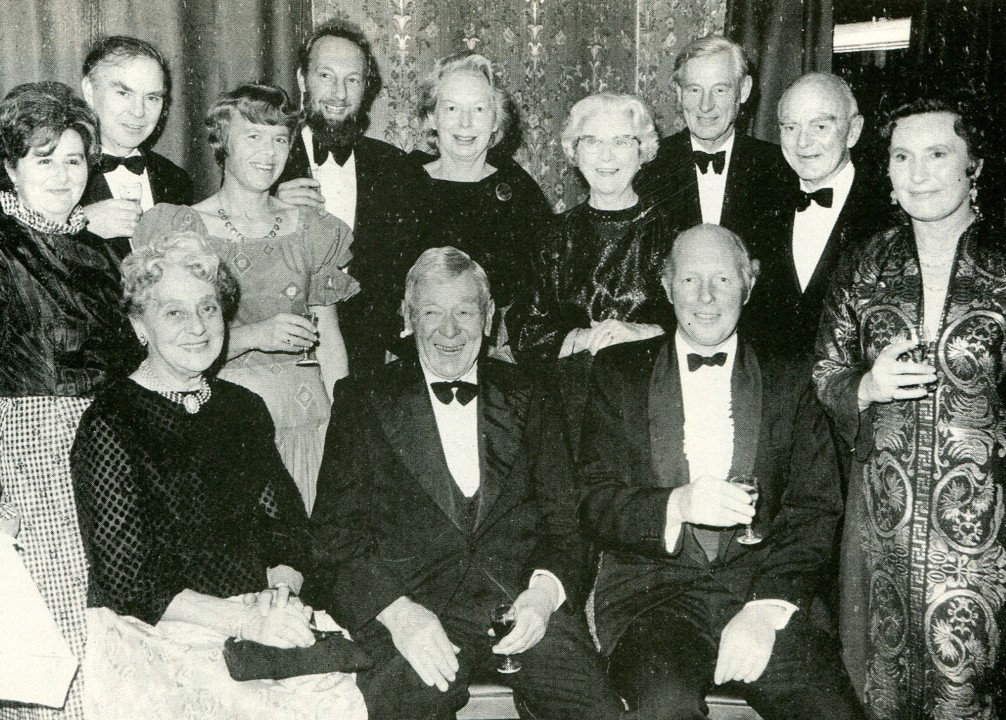
So Capt McHattie struggled to find suitable employment and in the end contented himself with voluntary work becoming a local magistrate and Commodore of Castle Cove Sailing Club.
He was a Member of the Honourable Company of Master Mariners and used to pass on to me their magazines when he had read them which I found most interesting.
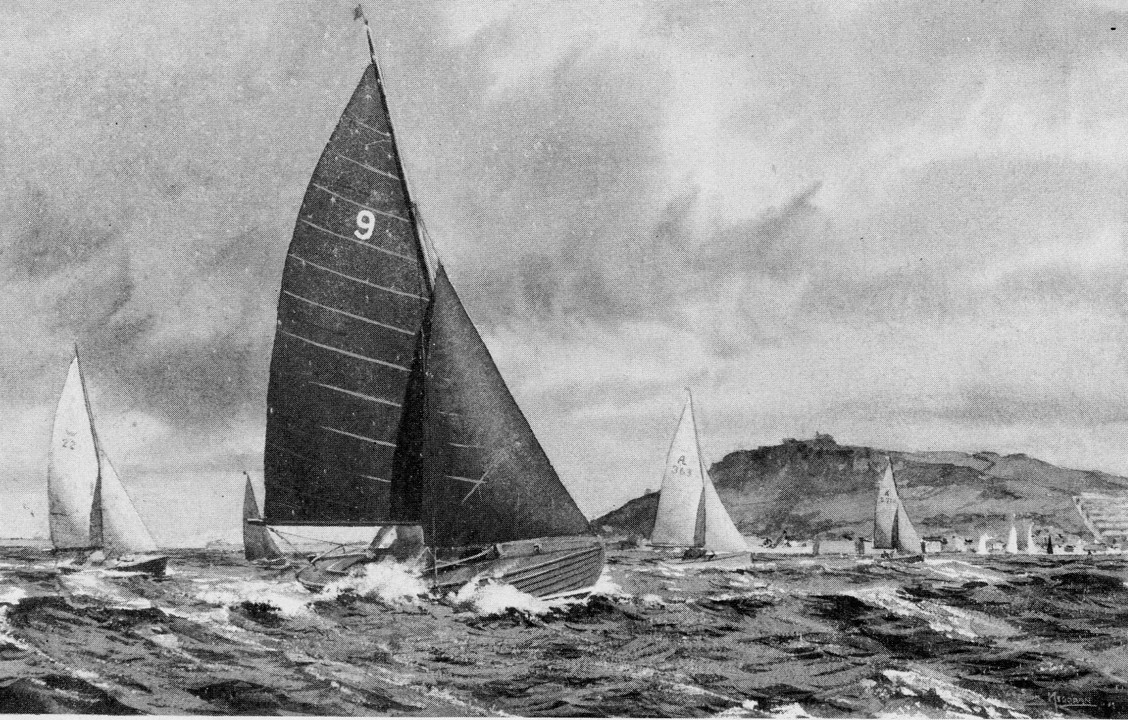
McHattie sometimes asked me to crew for him on his Albacore sailing dinghy but I found that a tad stressful. He was very competitive and resolutely determined to win. He issued his crew with not one but three stopwatches to press at appropriate moments to try to make absolutely certain that we were first across the starting line. If you got them in a muddle or pressed one of the buttons one second too early or too late, as I sometimes did, he was not best pleased.
Capt Victor Newton died in August 1977 aged seventy four. His wife Molly lived on in number 49 for another twenty four years, as Mrs Byles had done before her. Sadly she developed dementia and had to move into care in 2001 when the house was sold. The new buyers were two local GPs rather than another captain. Molly died in 2010 aged ninety five.
Capt Billy Byles died in April 1979 also aged seventy four two years after Capt Victor Newton.
Capt John MacHattie outlived them both and died in 1992 aged eighty seven. His wife Betty also ended up in a nursing home and died in 2001.
Tiny Point of Detail 1: Rovuma features in the 1935 British film Sanders of the River directed by Zoltan Korda starring Paul Robeson and Leslie Banks. It is based on an Edgar Wallace (no relation to Weymouth Mayor Edgar Wallis!) novel set in colonial Nigeria.
Tiny Point of Detail 2: Roebuck features in a 1965 British war film The Heroes of Telemark directed by Anthony Mann starring Kirk Douglas and Richard Harris. There are lovely shots of her, renamed for the film Galtesund, filmed both at sea and aboard. The marine logistics were organised by the paddle steamer loving Tony McGinnity, one time owner of PS Consul, who recruited Bob Wills and his Weymouth based 50 passenger launch Topaz to act as a mobile platform to film the ship at sea and as go between transport for actors and the film crew.
Tiny Point of Detail 3: As well as building the houses in Old Castle Road Edwin Denton set up a cafe opposite Sandsfoot Castle, run by his cousin Miss Nellie Wilson, to serve the inner needs of visitors. He made a market garden behind numbers 39 – 45 Old Castle Road to provide a ready supply of provisions and he caught crabs and lobsters for it in pots laid out amongst the reefs. In old age he had both his legs amputated and I remember him when I was very little pushing himself around on a homemade four wheeled trolley. He still has descendants living in Weymouth. I attended the funeral of his great niece Anthea Denton nee Laws on Friday 30th January. She grew up in the Denton house 51 Old Castle Road and has children and grandchildren also living in Weymouth.
Tiny Point of Detail 4: When I was young I thought that the Weymouth mailboat masters might welcome the opportunity to take their ships to other ports around the UK for their annual dry-dockings for a bit of variety of scenery. I was therefore surprised to see on the list of crew duties in a frame on the bulkhead in the crew accommodation on Caesarea when I was a Deck Boy all those years ago that it was signed by relief master Capt B Caws and not by permanent master Capt V Newton. Why did Capt Caws take Caesarea off to dry-dock and not Capt Newton I wondered. Now all these years later I completely understand. Dry-dockings can be pretty grim affairs. An alien workforce banging about on your ship. Difficult decisions to be taken about what to do for this or that which can have expensive consequences. Pressure to get the work done and be out on time when it is raining every day and you can’t paint in the rain. For a steamship like Caesarea when the boilers were blown down and opened up for inspection there was no steam and that meant no lights and no hot water. Worse, in the days before ships were fitted with sewage tanks the loos could not be used in dry-dock as they just emptied into the dock bottoms. So all the crew had to trudge ashore and make use of the rudimentary and usually rather less than salubrious facilities by the sides of the dry-docks shared also by masses of other shipyard workers. Small wonder that some captains and sometimes other senior officers asked to be put up in B & Bs ashore for the duration.
Tiny Point of Detail 5: Weymouth has a curious tidal phenomenon known locally as Gulder. In this the tide goes out, comes in just a little bit, goes out again and stays at that same level for three or four hours before going out a little bit more and then coming in properly up to another high water. This gives Weymouth an unusually long period of low water. Coupled with the fact that the biggest spring tides in Weymouth occur around 7am and 7pm and the lowest around 1am and 1pm this happy accident means that there is never a really high tide from the mid morning until later in the afternoon restricting beach space for deckchairs. And the low tides, which increase deck chair space, are not only low but on springs are super low and stay super low for three or four hours at just the right time when most people most want to enjoy maximum beach space. This curious tidal phenomenon with its long afternoon low water also suits small boys who wish to tow models of paddle steamers behind them on the end of pieces of string, imagining that they are paddle steamer captains themselves, in and out of the reefs below the Denton houses at Sandsfoot.
Kingswear Castle returned to service in 2023 after the first part of a major rebuild which is designed to set her up for the next 25 years running on the River Dart. The Paddle Steamer Kingswear Castle Trust is now fund raising for the second phase of the rebuild. You can read more about the rebuilds and how you can help if you can here.
John Megoran